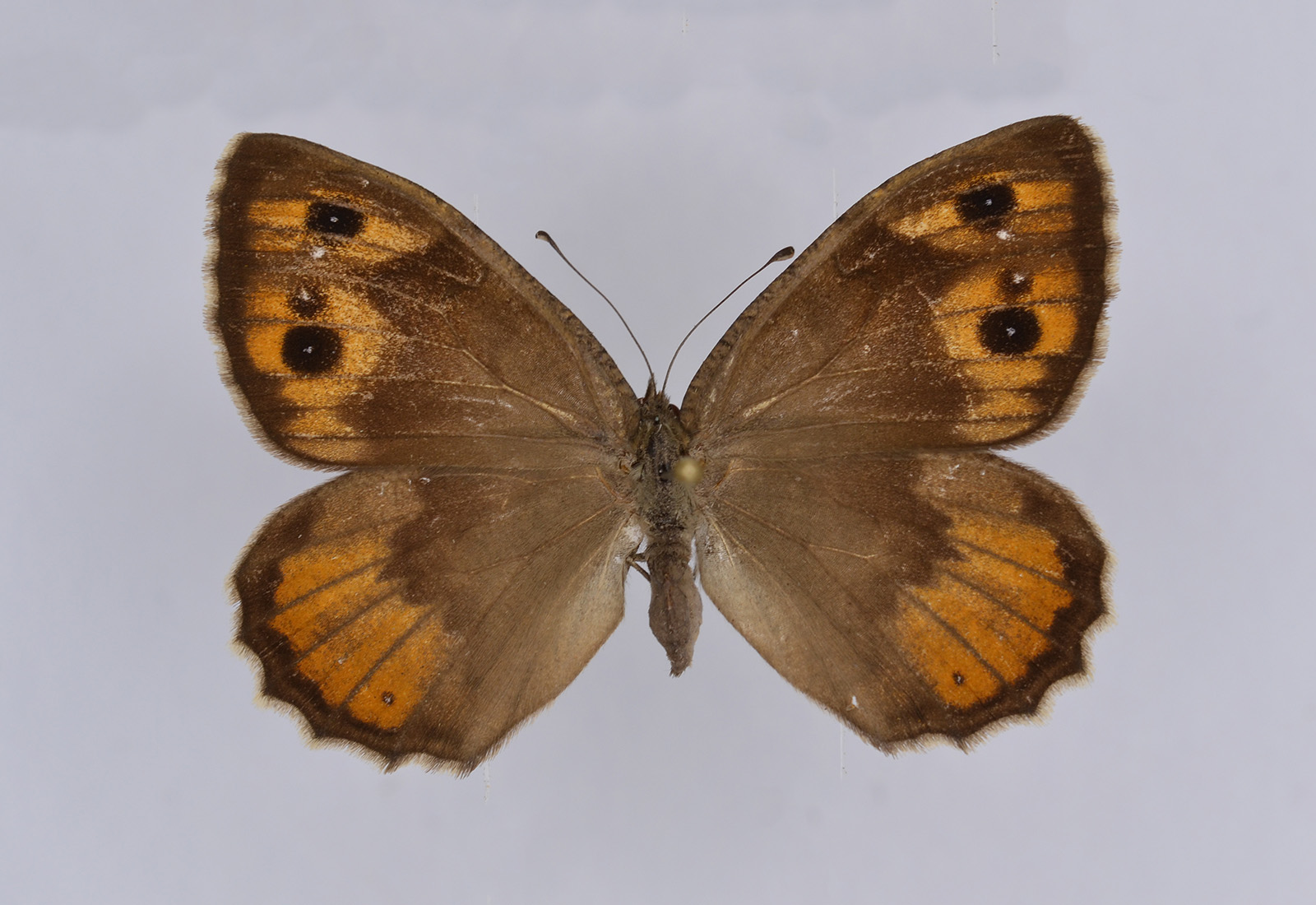
Observe the specimen
Carefully examine the specimen under suitable conditions before selecting the observed characters.
Butterfly identification and taxonomy
A digital monograph and interactive identification resource dedicated to Western Pseudochazara.
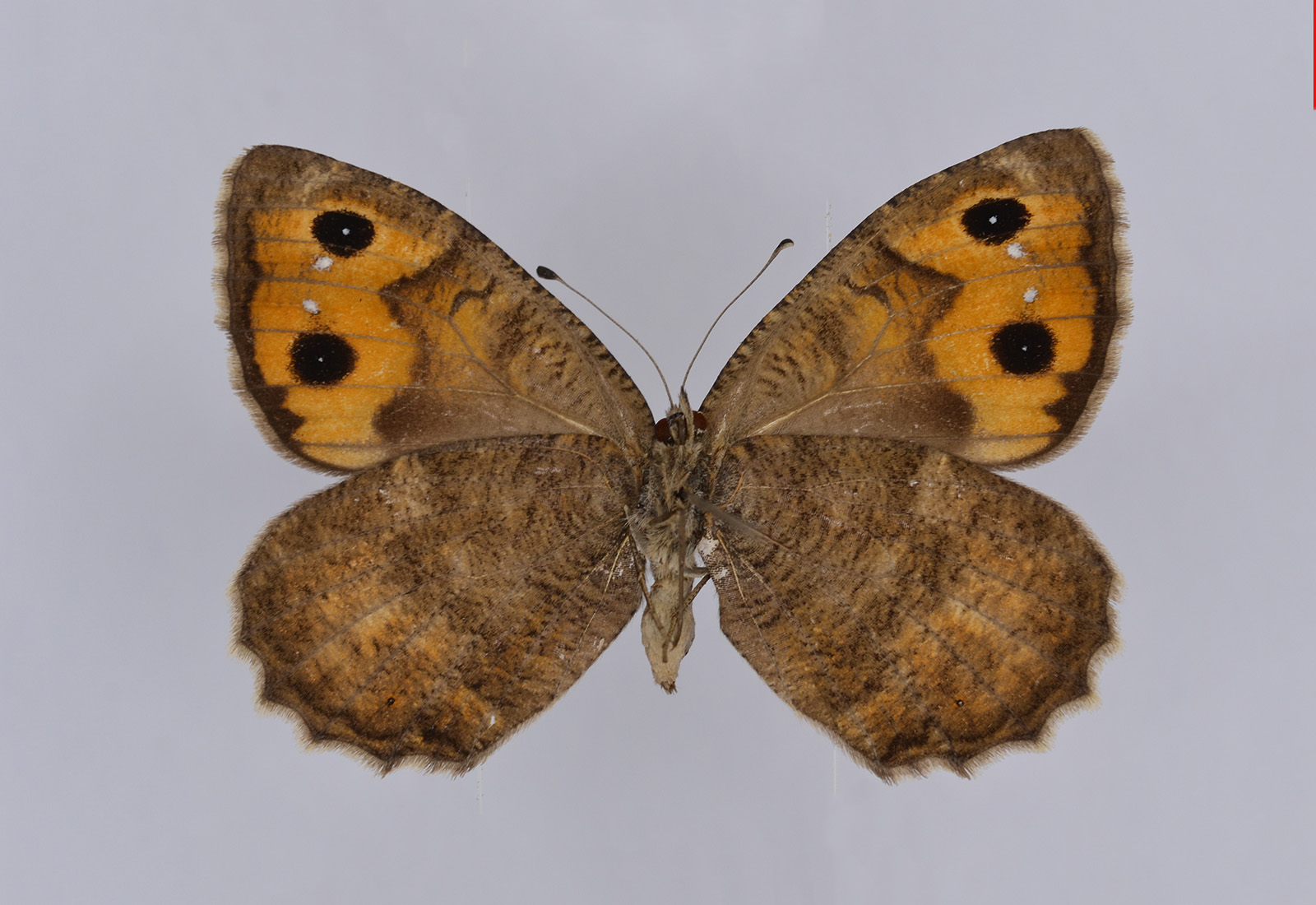
Identification workflow
The Player guides the user from specimen observation to a restricted and ranked set of plausible taxa, which can then be evaluated through the associated species accounts.
Carefully examine the specimen under suitable conditions before selecting the observed characters.
Choose only characters that can be assessed confidently from the available material.
The multi-entry matrix evaluates the selected character states simultaneously.
The Player returns a restricted set of candidate taxa ranked according to their agreement with the selected evidence.
Compare photographs, variation, diagnostic characters, distribution, nomenclature and taxonomic notes.
Results provide plausible taxa together with comparative information to support further assessment.
Continue below to learn about the Digital Monograph ↓
More than an identification key
Species accounts can also be consulted independently of the identification process, turning the project into a comparative reference for western Pseudochazara.
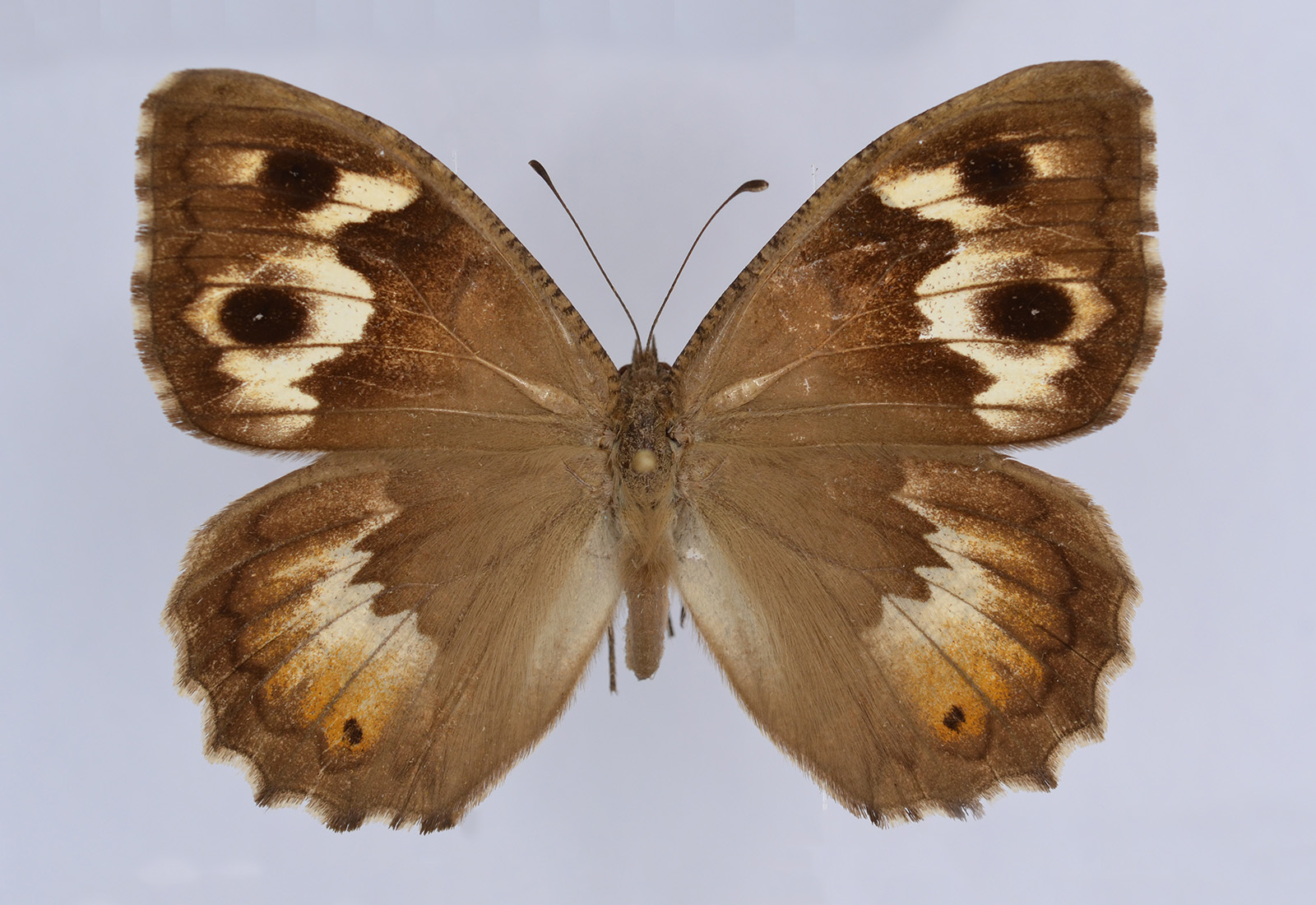
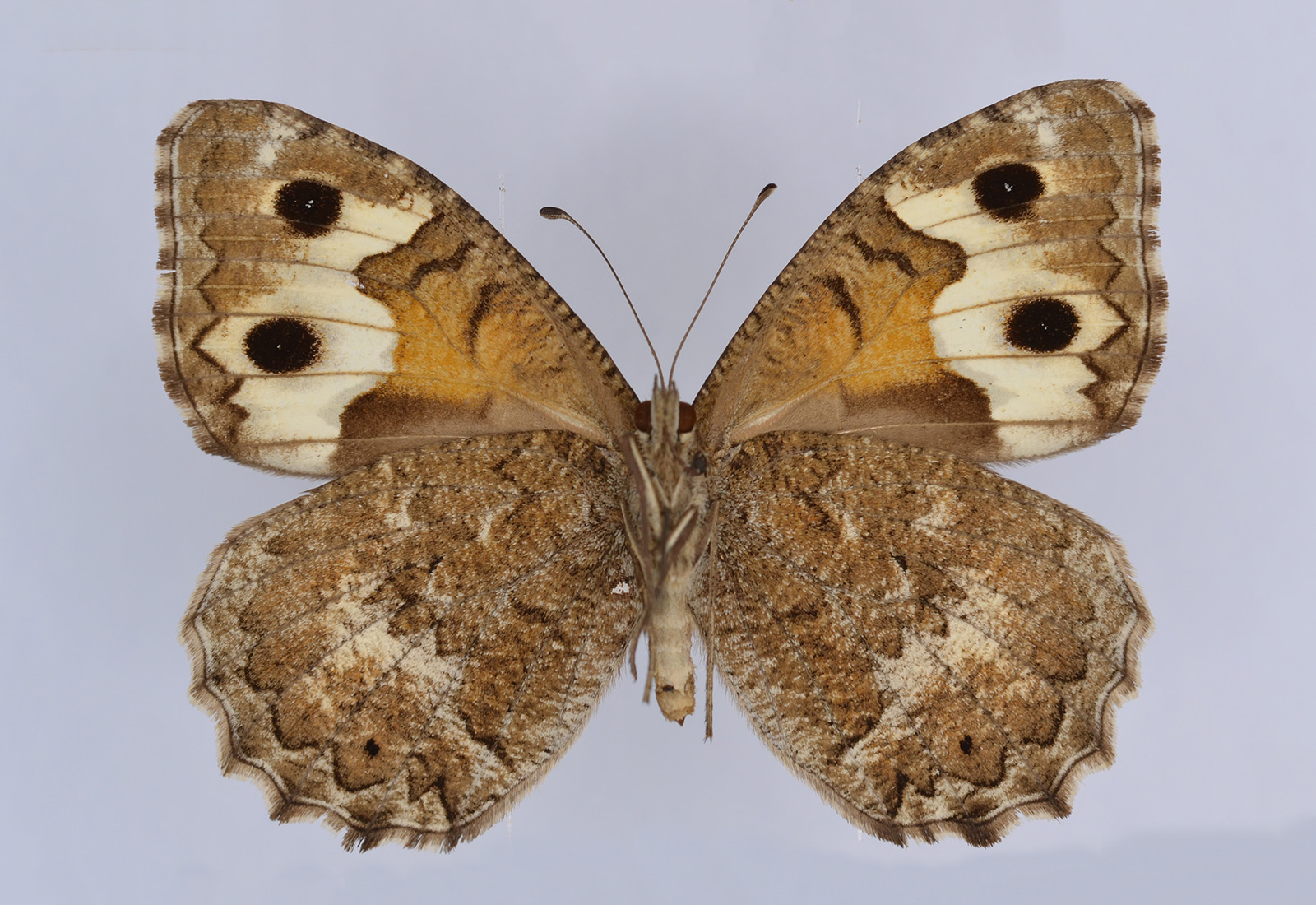
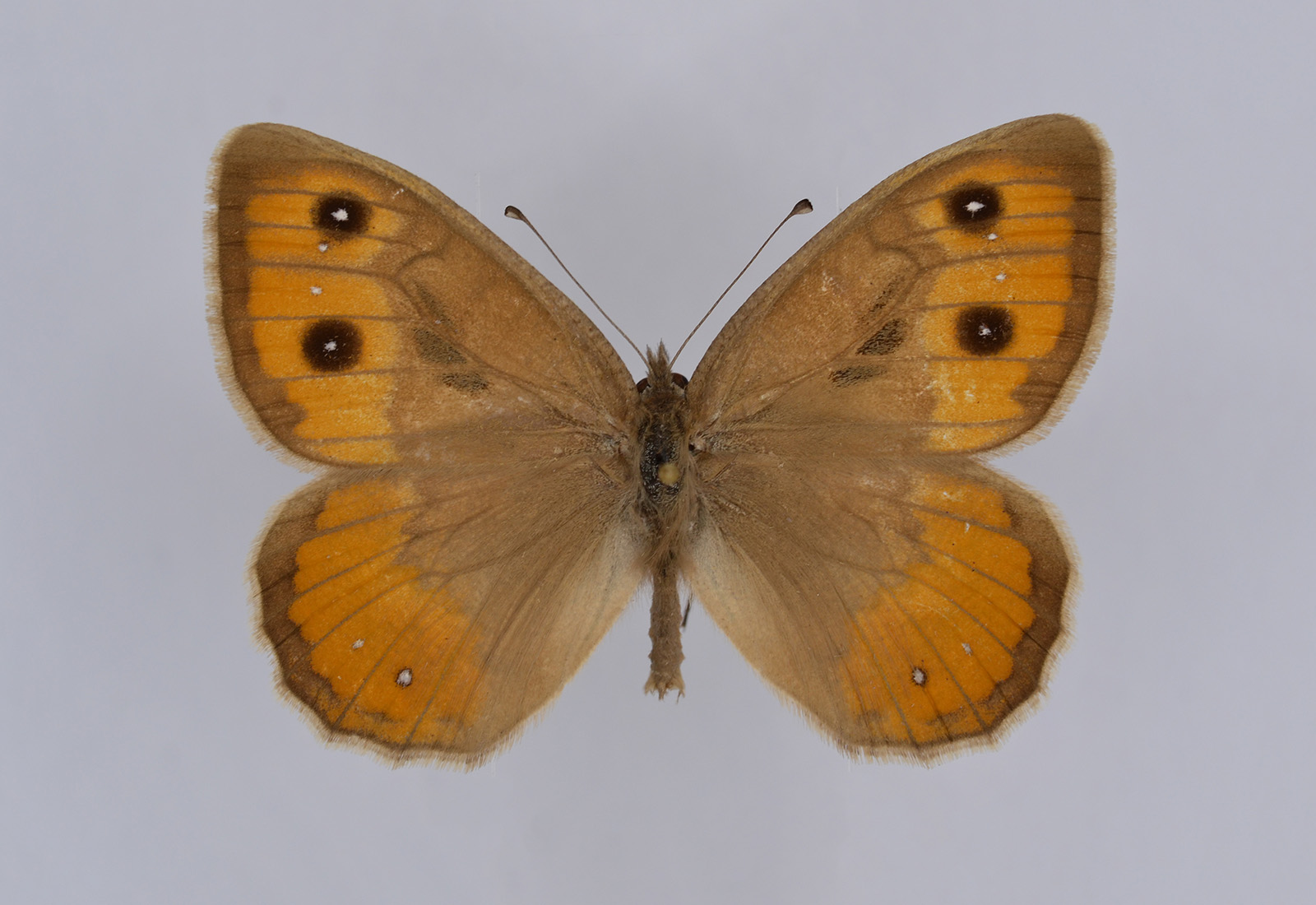
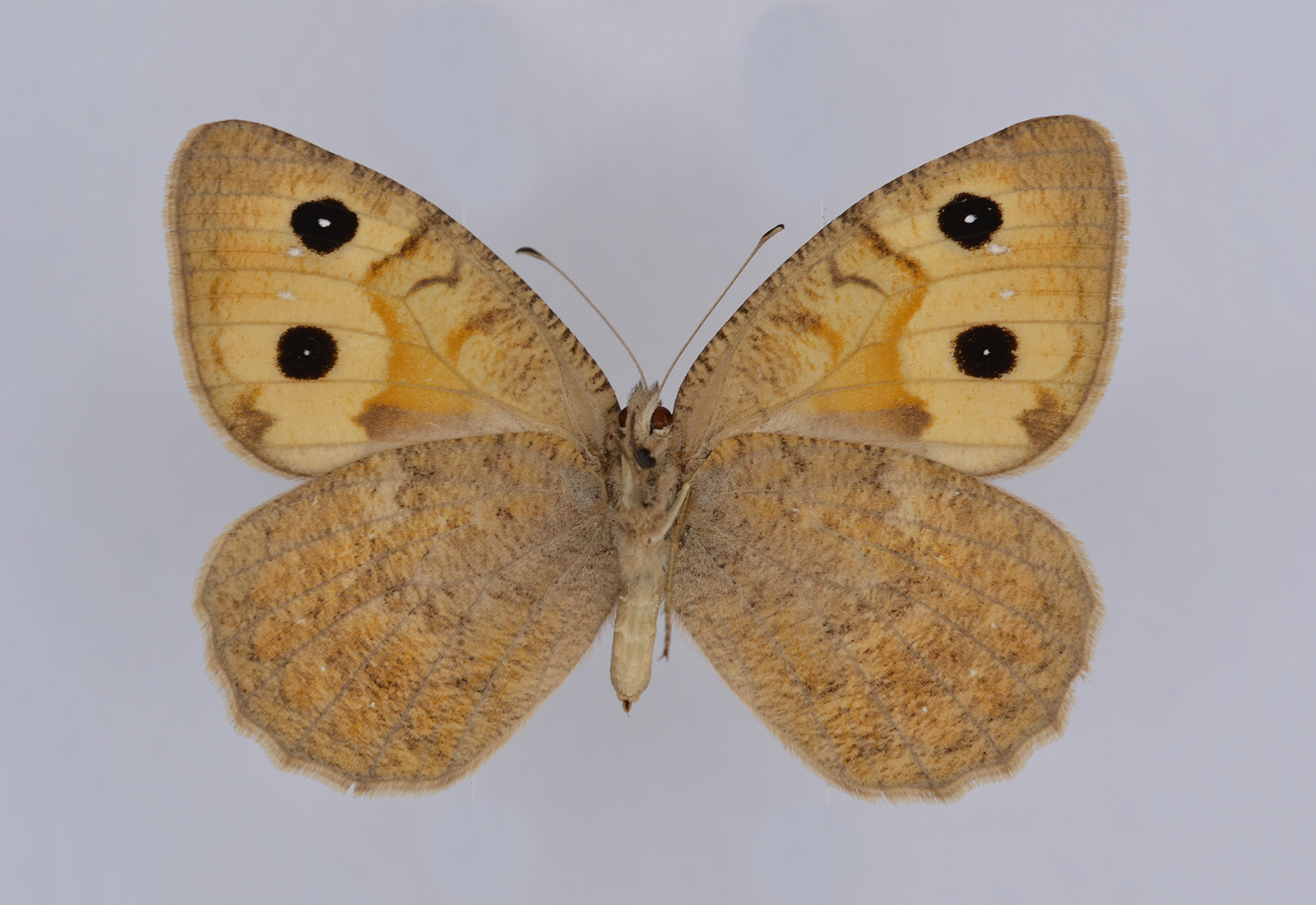
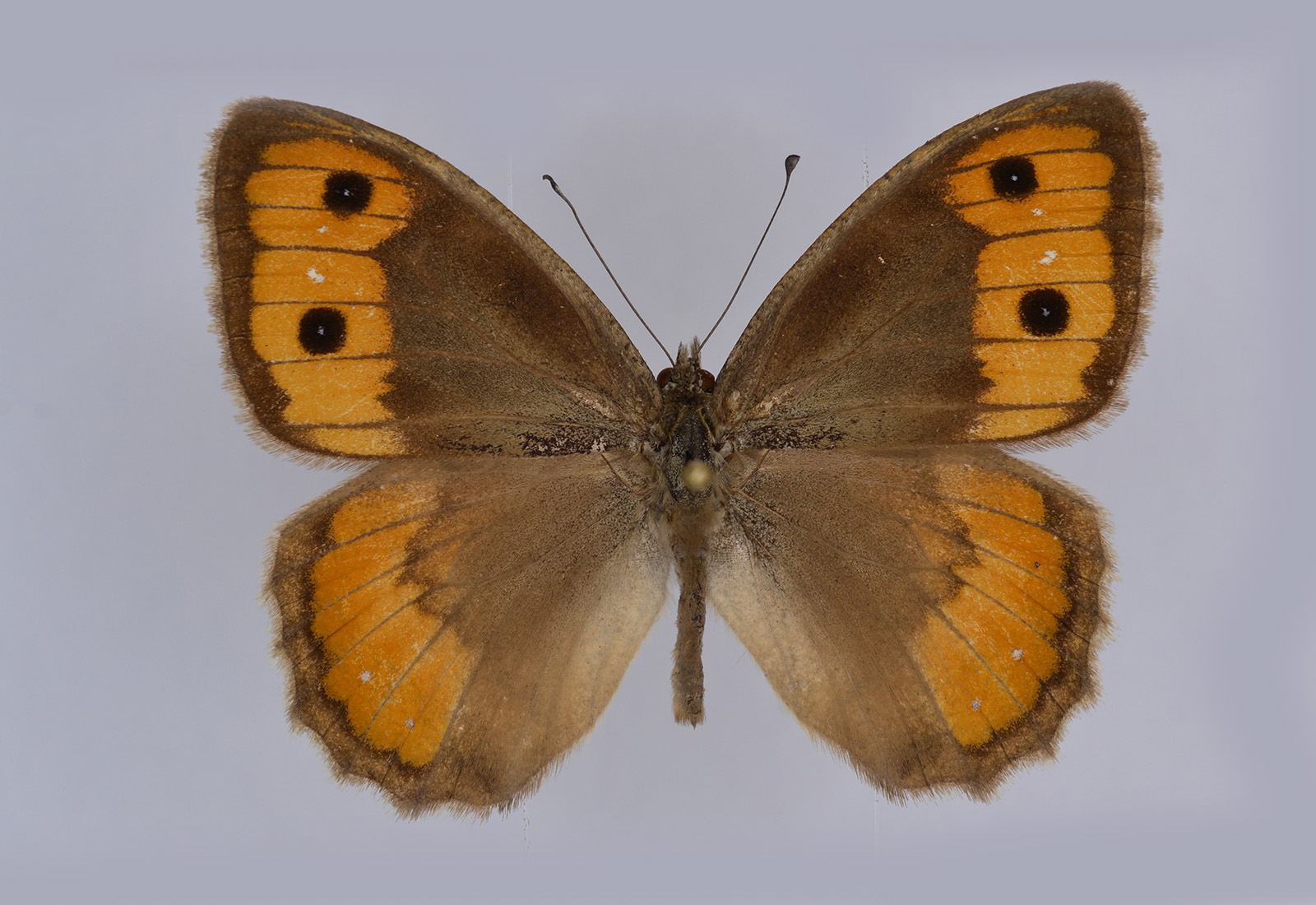
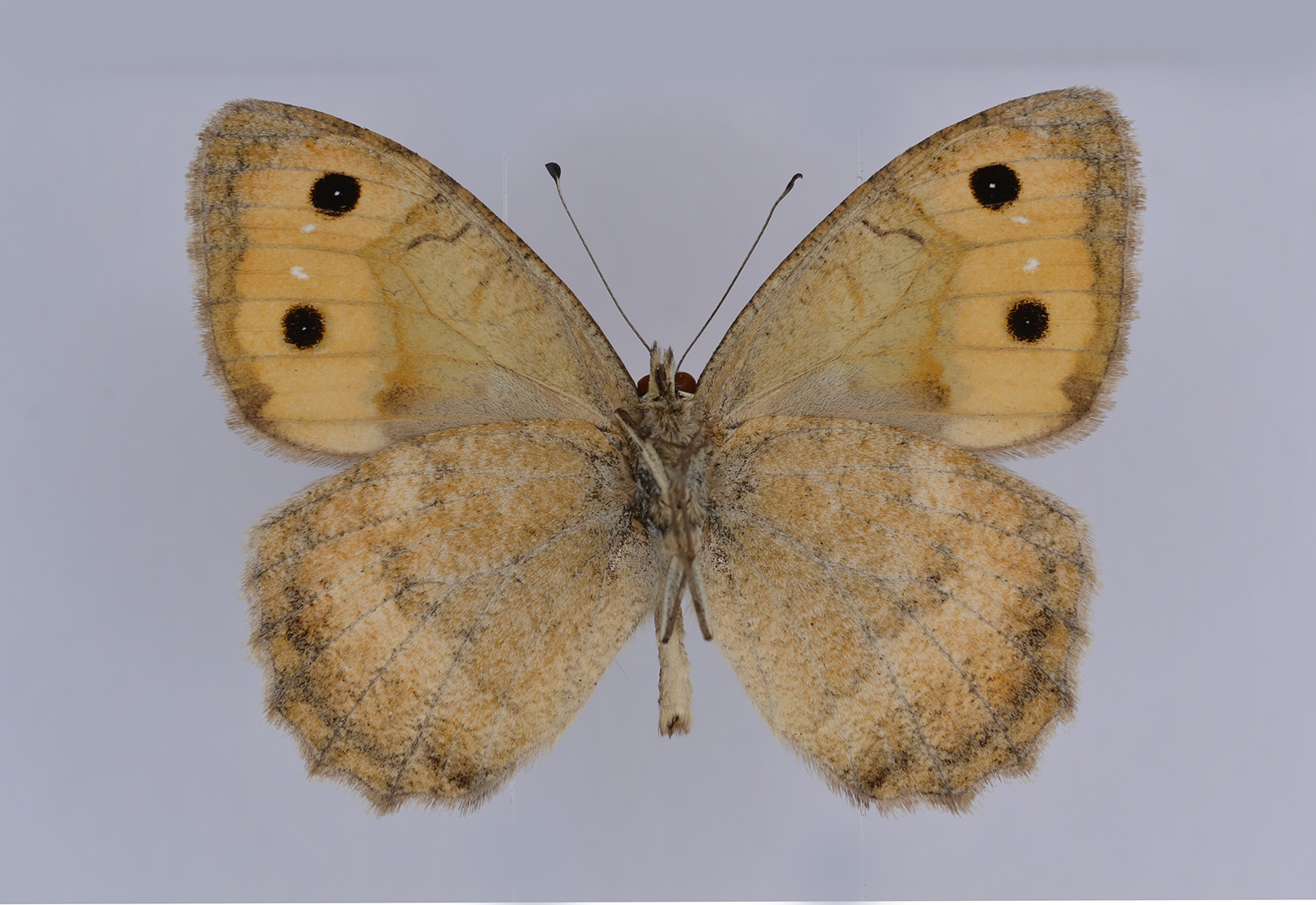
Geographic and taxonomic coverage
The system covers western representatives of the genus Pseudochazara, from North Africa and the Iberian Peninsula through the Balkans, Turkey, the Levant, Iran and the Caucasus.
External morphology may vary substantially within species and overlap among taxa. Identifications should therefore be interpreted in their full morphological and geographic context.
Identification philosophy
Identification generally depends on combinations of external characters rather than on a single decisive feature.
Character visibility varies with specimen condition, viewing angle, illumination and image quality.
Interpreting results
The Player narrows the range of possible taxa but does not force an unequivocal identification where the available evidence does not justify one.
Apparent uncertainty can be biologically informative in groups with extensive variation and overlapping character states.